Webinar series
Charter in practice
Want to join the dialogue on turning the Charter into practice?
Join our 3-part webinar series to discuss joint planning, participatory action, and solutions to regional barriers with leading practitioners.


Webinar series
Charter in practice
Want to join the dialogue on turning the Charter into practice?
Join our 3-part webinar series to discuss joint planning, participatory action, and solutions to regional barriers with leading practitioners.
Webinar series
Charter in practice
Want to join the dialogue on turning the Charter into practice?
Join our 3-part webinar series to discuss joint planning, participatory action, and solutions to regional barriers with leading practitioners.
The webinars will take place in November, with dates to be announced soon.
Recordings of the webinars will also be made available on this site.
Building a shared spatial vision
How can regions plan together when planning systems, institutional competences, data and development priorities differ across borders? This webinar explores the practical challenges of building shared spatial visions and discusses how joint mapping, comparable data and innovative planning methods can help turn borders from planning barriers into spaces for cooperation.

Martin Reents
(Infrastruktur & Umwelt)

Márton Péti
(Pannon University)

Maciej Zathey (TBC)
(Institute for Territorial Development – IRT)

Erich Dalhammer (TBC)
(Austrian Institute for Regional Studies – ÖIR)
Building permanent participatory cross-border governance
How can cross-border cooperation move beyond one-off consultations towards meaningful and lasting citizen participation? This webinar looks at practical ways to build inclusive participatory processes that give diverse communities a genuine voice and ensure that their input can influence cross-border decisions.

Sören Bollmann
(City of Frankfurt – Oder)
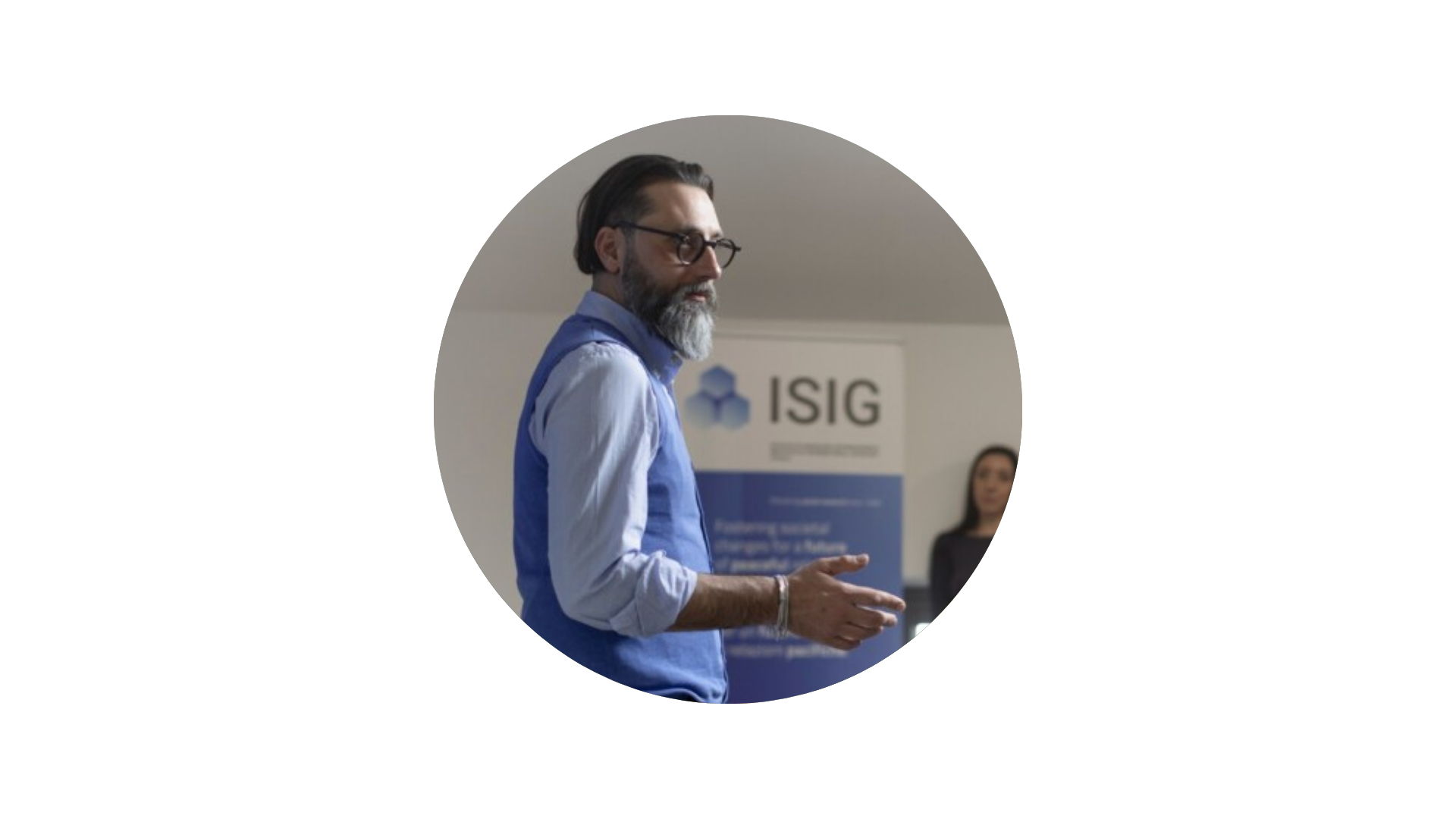
Daniele del Bianco (TBC)
(Institute of International Sociology of Gorizia – ISIG)

Margot Bonnafous
(Euro-Institut)

Peter Ulrich
(University of Potsdam)
Managing cross-border barriers in practice
How can an everyday cross-border problem be turned into a clearly defined case that institutions can actually address? This webinar explores how practical barriers can be identified, documented and channelled to the right institutions – and how individual solutions can be transformed into lasting mechanisms for managing cross-border obstacles.

Katja Rosner
(Government of Upper Austria)

Romina Kocina
(EGTC GO)

Caitriona Mullan (TBC)
(Association of European Border Regions – AEBR)

Katalin Fekete
(Central European Service for Cross-Border Initiatives – CESCI)
This platform has been developed within the BorderLabs CE project, supported by the Interreg CENTRAL EUROPE Programme with co-financing from the European Union. Its content, including any analyses, interpretations, opinions, forecasts and recommendations, is the sole responsibility of the authors and the project partnership and does not necessarily reflect the views or positions of the Interreg CENTRAL EUROPE Programme, its programme bodies or the European Union.
This platform has been developed within the BorderLabs CE project, supported by the Interreg CENTRAL EUROPE Programme with co-financing from the European Union. Its content, including any analyses, interpretations, opinions, forecasts and recommendations, is the sole responsibility of the authors and the project partnership and does not necessarily reflect the views or positions of the Interreg CENTRAL EUROPE Programme, its programme bodies or the European Union.